 SoulCare Space

Some people seem to move through hardship and come out the other side steadier than before. It's tempting to assume they were simply born that way — naturally strong, naturally calm. In reality, resilience is far less about temperament than most of us assume, and far more about practice.
What resilience actually means
Resilience isn't the absence of struggle, and it isn't pretending difficulty doesn't hurt. It's the capacity to adapt, recover, and keep functioning — emotionally and practically — while going through something hard. Psychologists increasingly describe it as a set of learnable skills rather than a fixed personality trait.
The building blocks
- Emotional flexibility — the ability to feel difficult emotions fully without being permanently derailed by them.
- Coping strategies that actually work — problem-solving when a situation is changeable, and acceptance when it isn't.
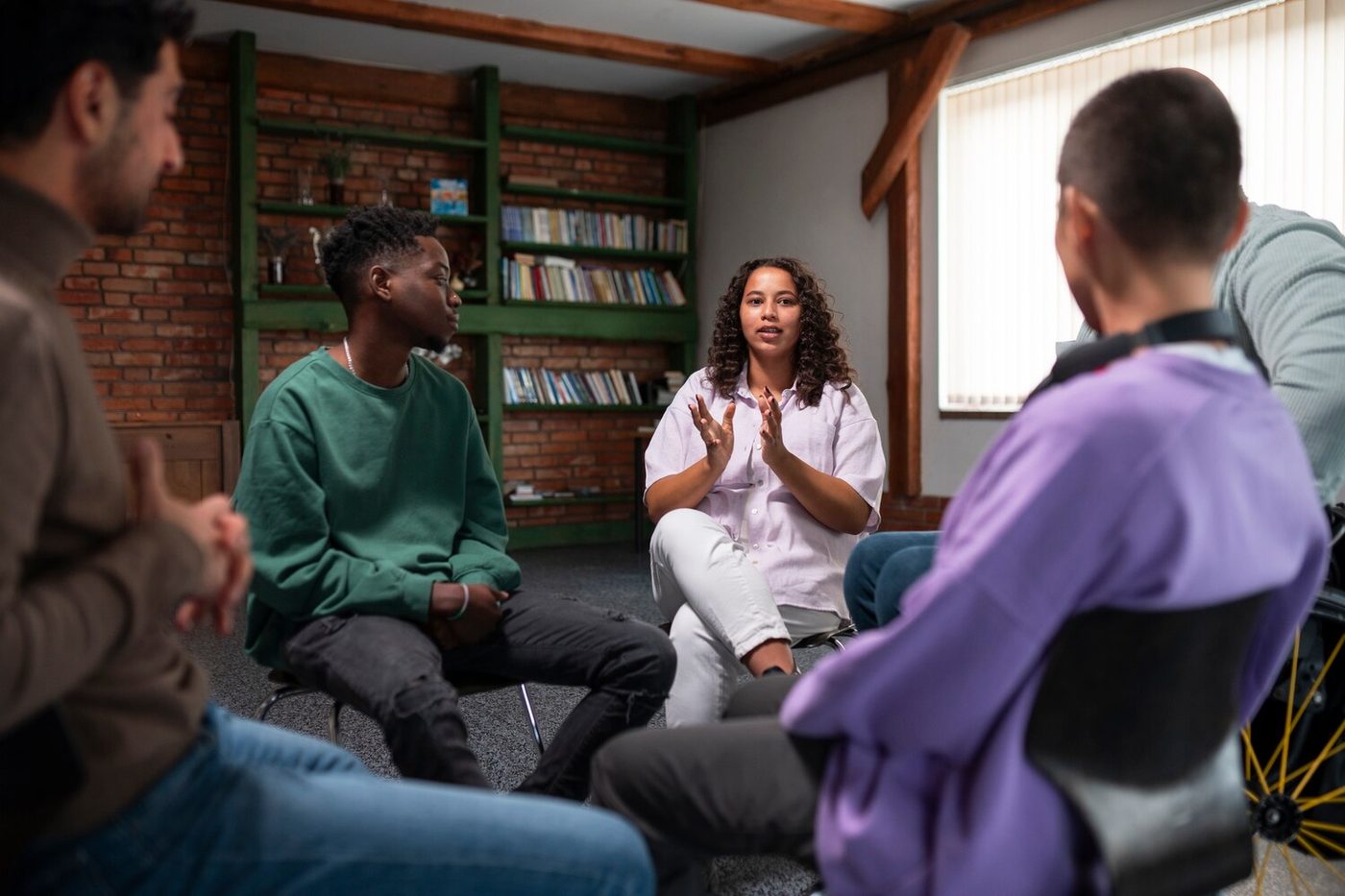
- Social support — resilient people are rarely self-sufficient in isolation; they tend to be well-connected, and willing to ask for help.
- A sense of purpose — a reason that makes enduring difficulty feel worthwhile, even temporarily.
Practices that build it
- Keep routines during instability. Small, predictable structures anchor you when larger things feel out of control.
- Practise realistic optimism, not forced positivity. "This is hard, and I can find a way through it" tends to hold up better than "everything happens for a reason."
- Build your support network before you need it. Resilience is rarely a solo achievement.
- Reflect after hard periods, not just during them. What helped you get through the last difficult season is often useful again.
- Protect basic self-care — sleep, movement, and nutrition are the foundation resilience is built on, not optional extras.
- Know when to bring in support. Resilience includes recognising when a challenge is bigger than what you should carry alone.
Growth after hardship
Some people describe genuine positive change after a difficult period — a clearer sense of priorities, deeper relationships, a stronger sense of their own capacity — a phenomenon researchers call post-traumatic growth. This isn't a requirement or an expectation to place on anyone going through something hard, and it doesn't make the hardship itself worthwhile. But for many people, it's a real and often unexpected part of what recovery can eventually include.
Resilience is developed through practice, not inherited at birth — which means it's available to you now, regardless of how you've handled hard things before.
A reflection to sit with: what has actually helped you get through hard things in the past — and are you making room for it now?
If this resonates with you and you'd like professional support in navigating it, SoulCare Space is here to help. Contact us to learn more about our psychological services, or explore our other resources for continued learning.